I collaborated with UI/UX designers to create a sizzle video for Muse Arranger, an AI platform developed for independent music creators and aspiring producers. The project centered around Brook, a representative user persona who embodies the target audience.
The video was designed to communicate how the system bridges this divide, translating instinctive ideas into structured, high-quality musical outcomes.
Deliverables:
Design
Animation
Art Direction
UI/UX Design
Product Design
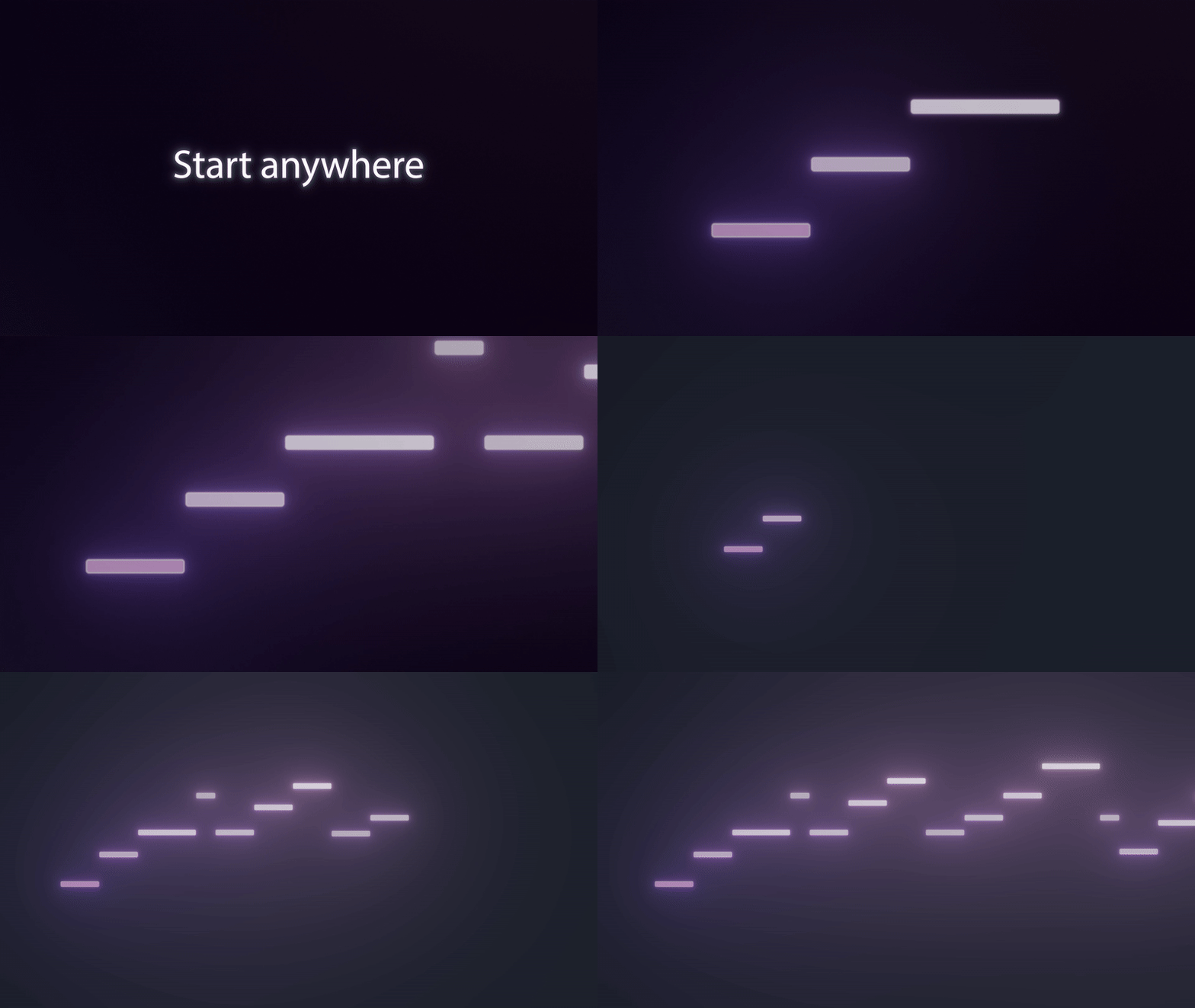
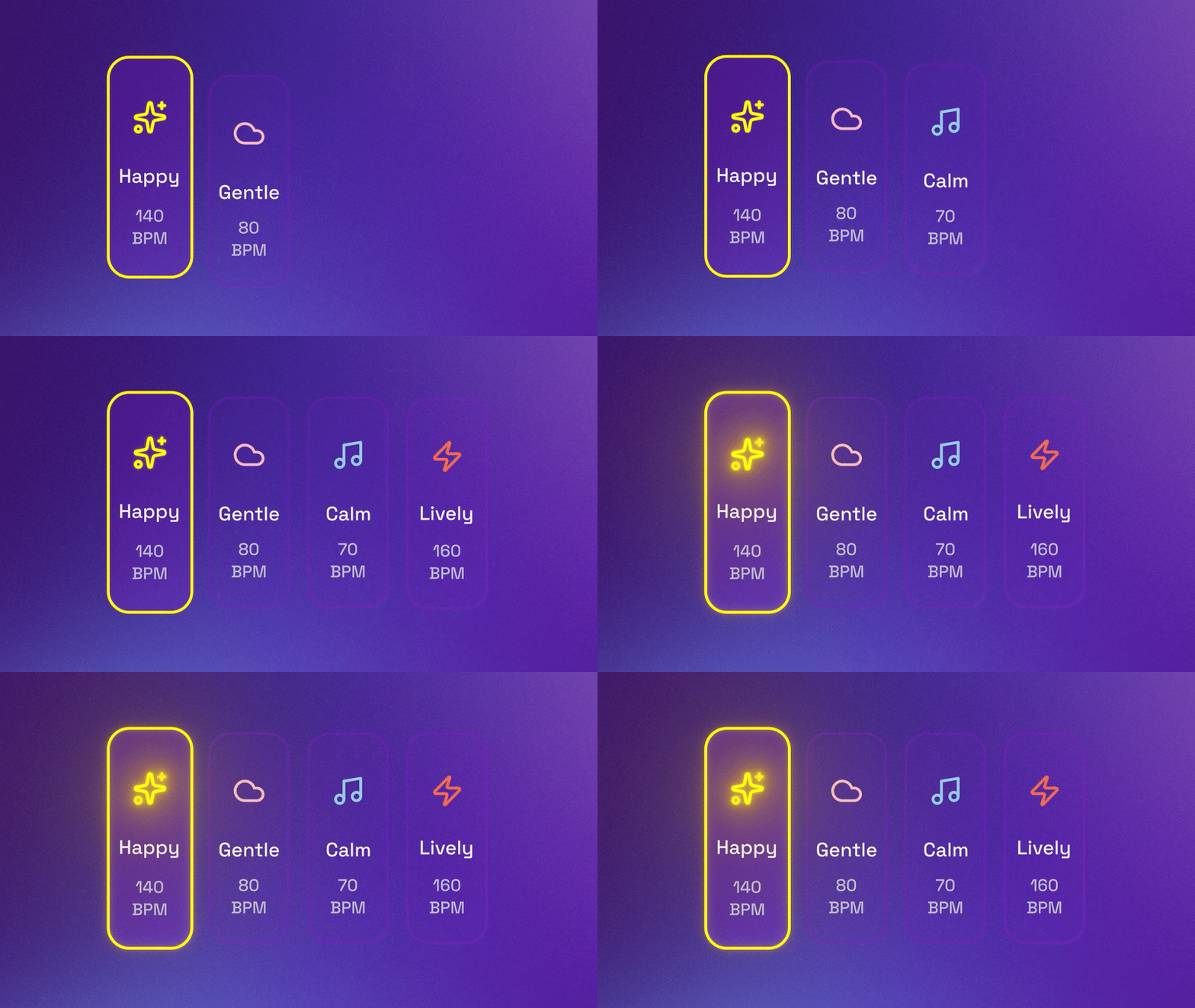
I collaborated with UI/UX designers to create a sizzle video for Muse Arranger, an AI platform developed for independent music creators and aspiring producers. The project centered around Brook, a representative user persona who embodies the target audience.
The video was designed to communicate how the system bridges this divide, translating instinctive ideas into structured, high-quality musical outcomes.
Deliverables:
Website Design
Framer Development
Art Direction
Lower Third
Logo Design
To clarify the product’s positioning, a comparative matrix was developed across traditional music software, generative AI platforms, and Musetechs. The evaluation focused on usability, creative control, audio fidelity, and educational value.
Conventional tools such as GarageBand emphasize structured control but require technical familiarity. Generative platforms like Suno or Udio prioritize immediacy, often at the cost of user agency. Musetechs integrates both paradigms, combining accessibility with compositional ownership while maintaining output quality and learning support. Within this landscape, it uniquely addresses all four dimensions simultaneously, positioning AI not as a replacement for creativity but as a collaborative amplifier.
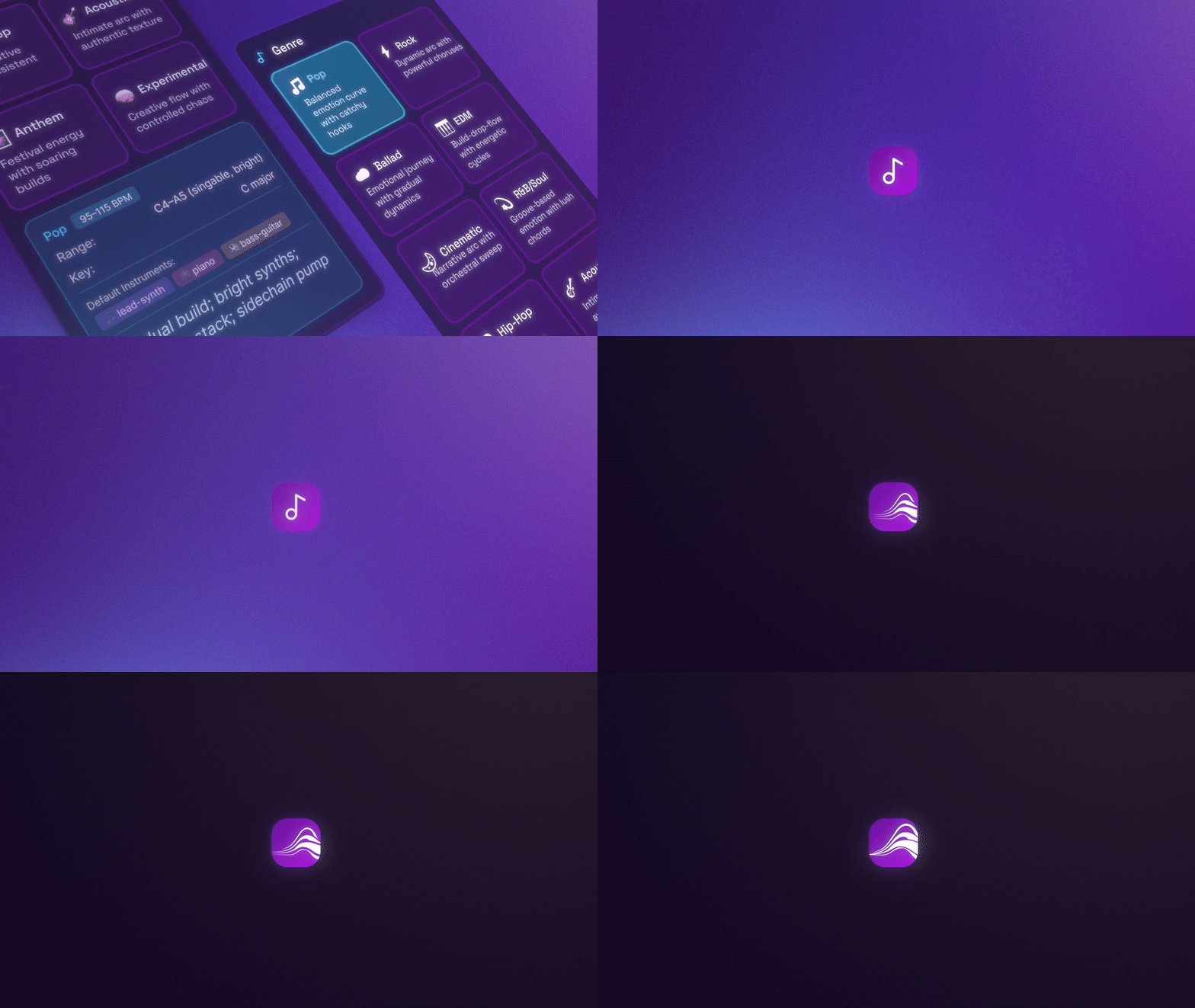
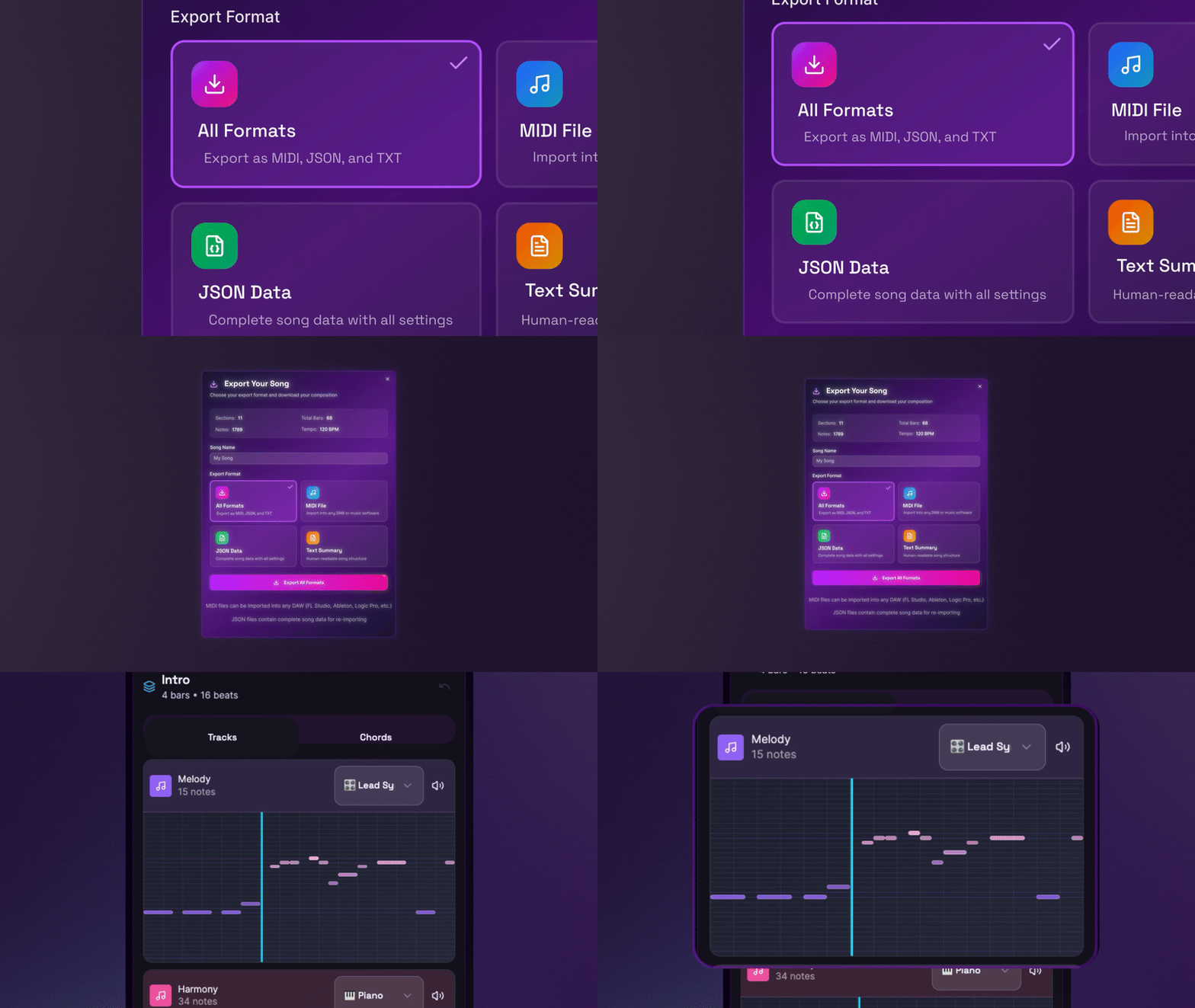
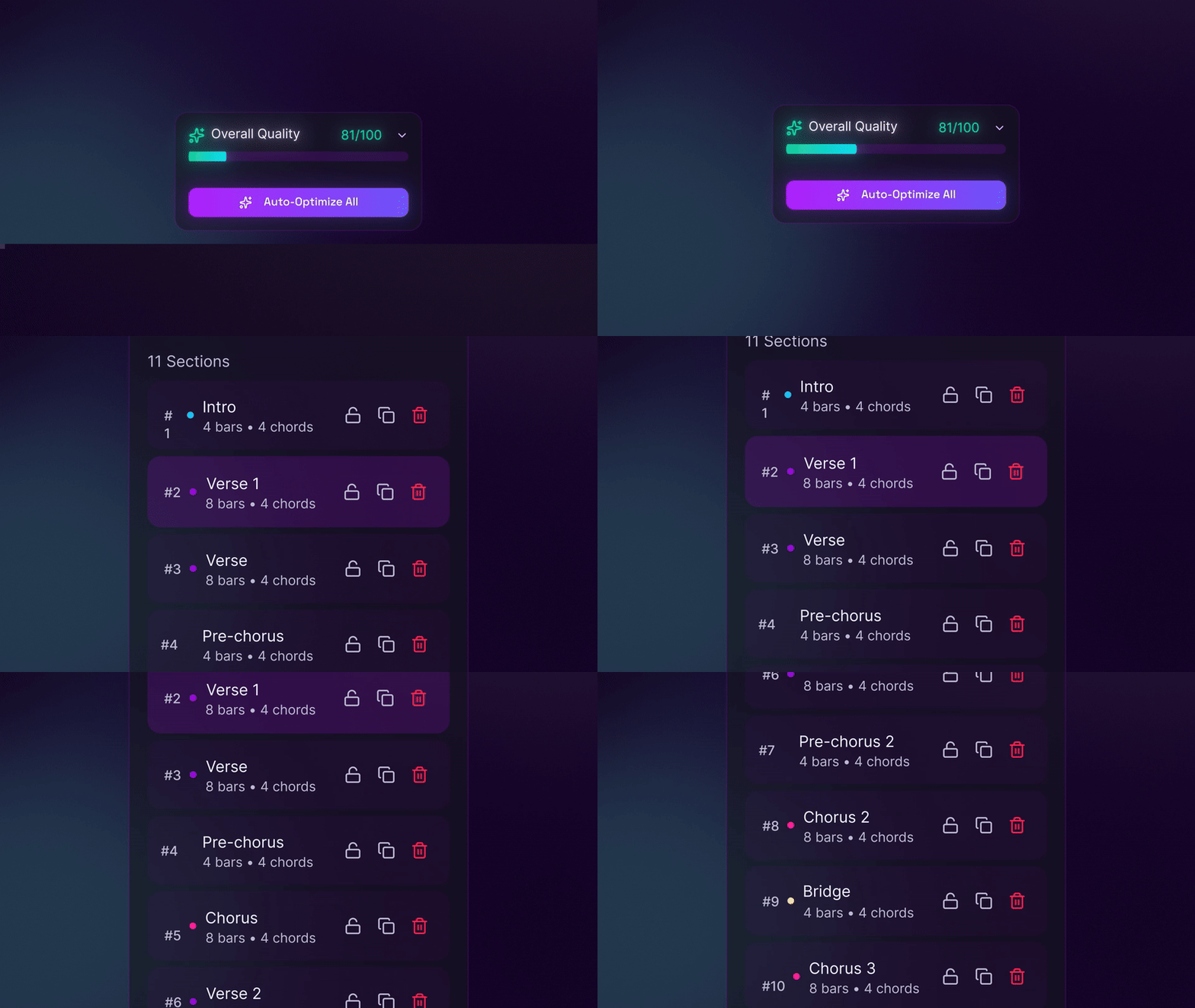
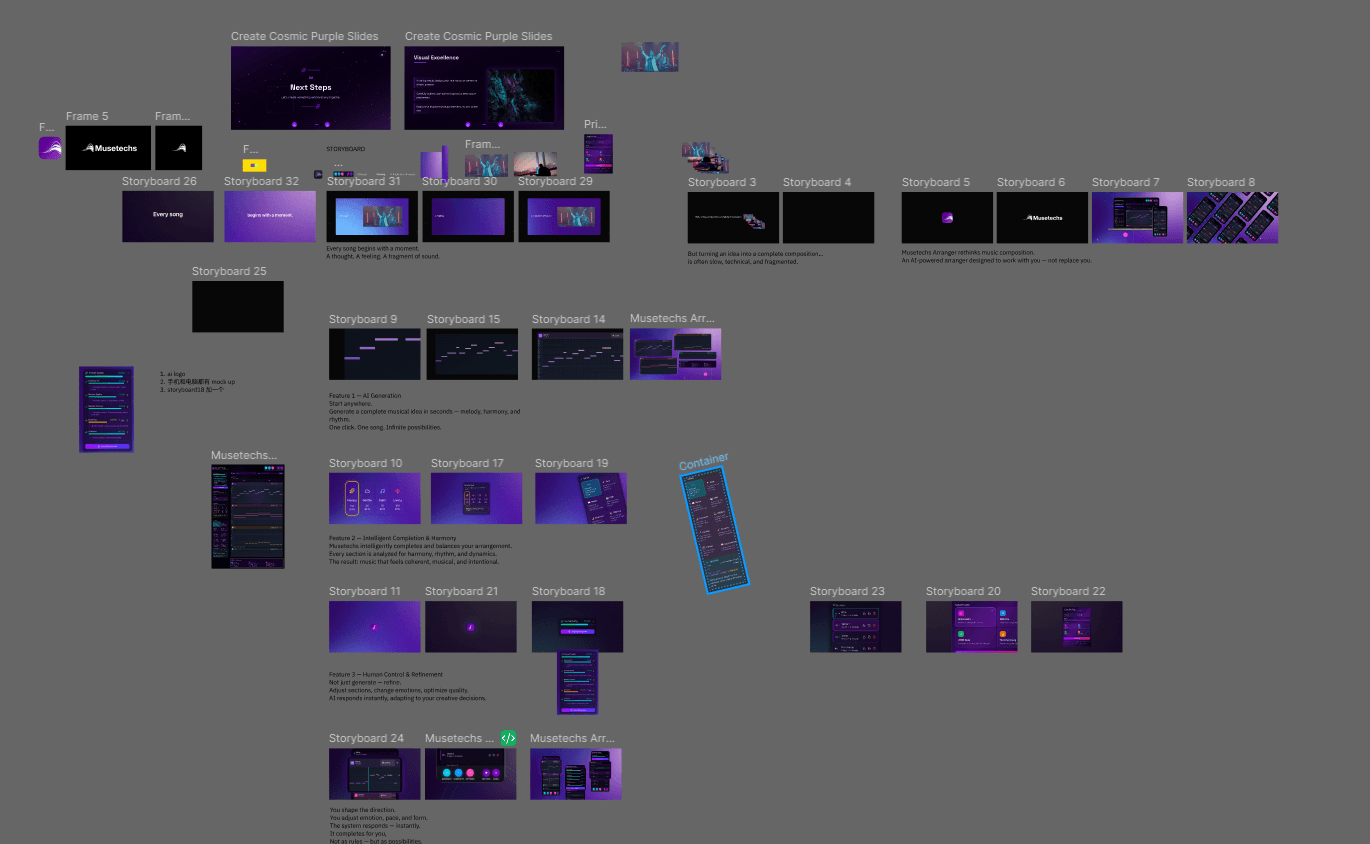
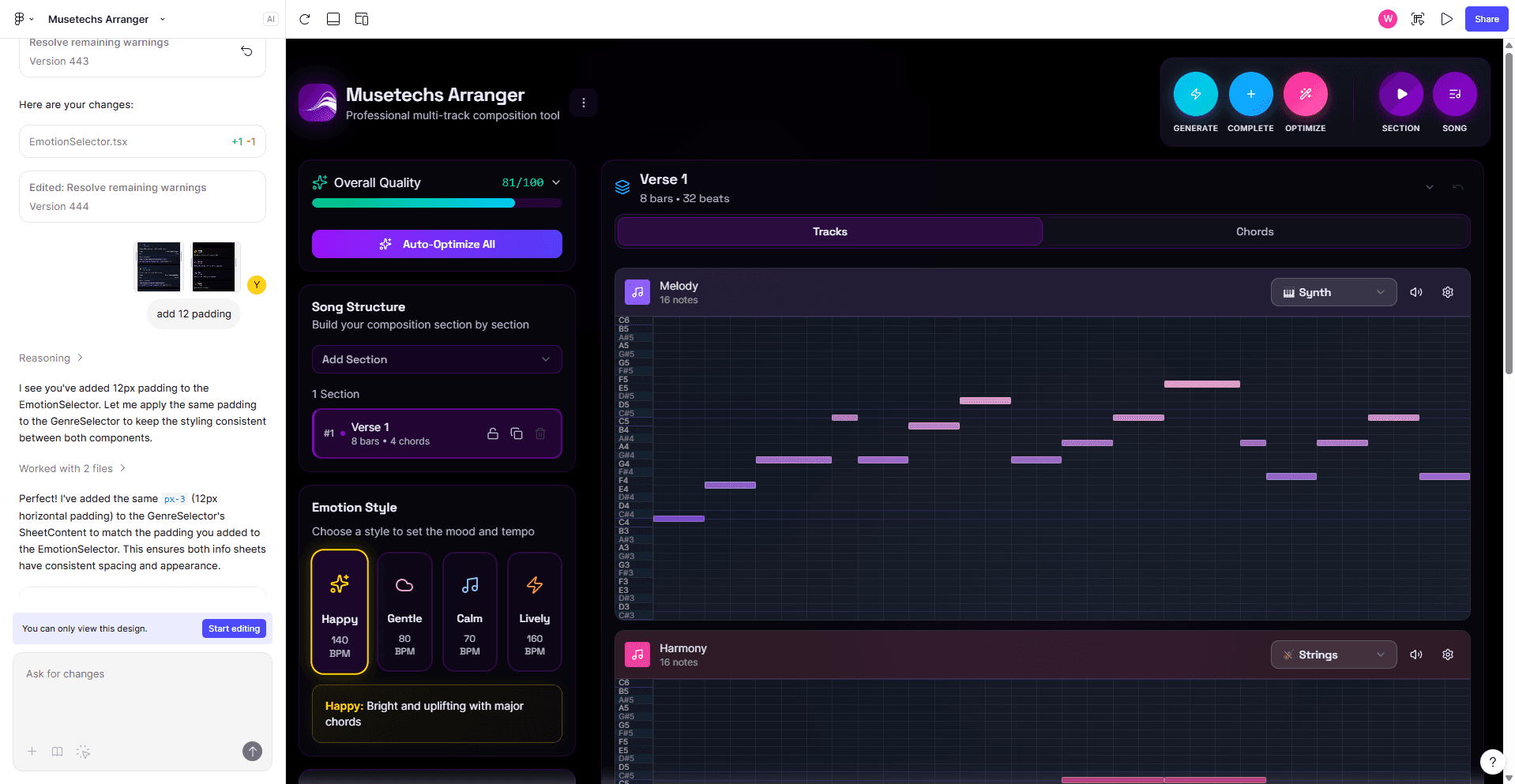
The video highlights how users translate diverse creative impulses — whether emotional states, structural fragments, or stylistic references — into full musical compositions. Ideas are first interpreted as inputs that generate an arrangement foundation. Users retain the ability to freely edit and reshape the material, after which AI-assisted refinement enhances harmonic structure and production quality. The process concludes with exporting a completed track, reinforcing a continuous loop between intuition, authorship, and intelligent support.
Credits:
Creative Director & Project Lead: Yuanyuan Hu Product Design Lead: Yingjie Li UX Design Lead: Yuting Mao Motion Design Lead + Animator: Rivai Li UI Design Lead: Ming Xu